
Pest Control Audit: Has Your Company Checked Its Program?
30 December 2025
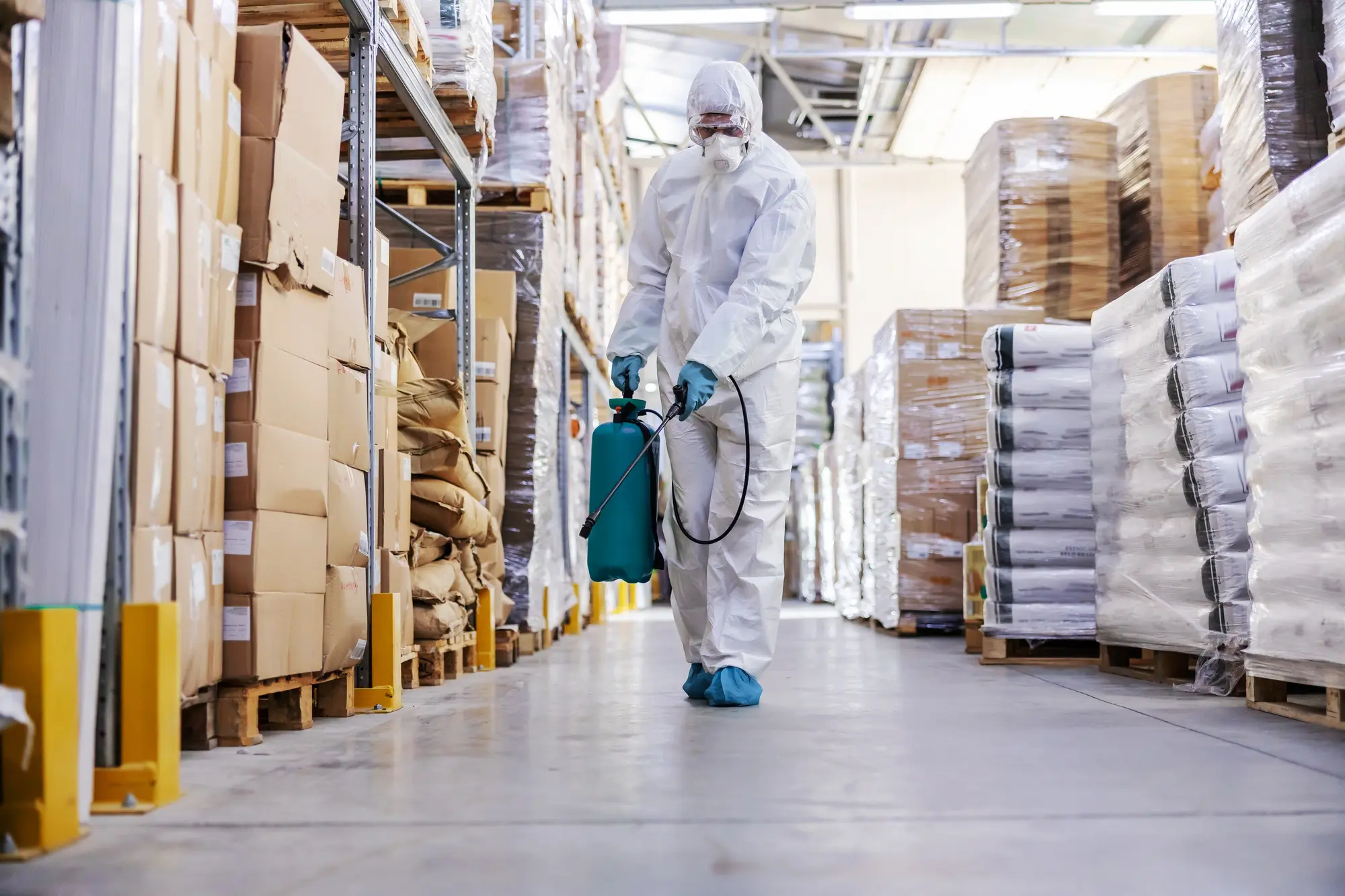
A pest control audit is a systematic evaluation process designed to ensure that pest management programs are implemented effectively and in compliance with applicable standards.
In corporate environments, this audit plays a vital role in maintaining cleanliness, safety, and comfort within the workplace.
Without a structured audit, the risk of operational disruptions and health issues can increase.
Therefore, many companies are now integrating pest control audits into their facility management systems, including through support from Jakarta-based outsourcing providers that offer more measurable and well-monitored supervision systems.
Check whether your audit process is already aligned with standards by reviewing the complete explanation below!
Applicable Pest Control Audit Standards in Corporate Environments
To ensure an effective pest control audit, companies must refer to commonly applied standards across various industries.
These standards help ensure pest management is conducted safely, measurably, and sustainably. Below are the key aspects to consider.
1. Compliance with Health and Environmental Regulations
A pest control audit must ensure that all processes comply with applicable health and environmental regulations. This compliance helps companies minimize the risk of legal sanctions and environmental impact. Moreover, proper regulatory implementation reflects the company’s commitment to workplace safety.
2. Identification and Mapping of Pest-Prone Areas
Each operational area has different pest risk levels. Through audits, companies can map locations that are potentially prone to infestation. This mapping serves as the basis for determining more effective pest control methods.
3. Evaluation of Pest Control Methods and Materials
Audits need to assess whether the methods used meet safety standards. The appropriate use of materials helps protect employees and the work environment. This evaluation also ensures the long-term effectiveness of pest control programs.
4. Structured Documentation and Reporting
Documentation is a crucial component of pest control audits. Clear reports enable companies to objectively review audit results. In addition, proper documentation simplifies evaluation and follow-up processes.
5. Frequency and Consistency of Implementation
Pest control audits are not one-time activities. Regular implementation helps companies detect potential issues early. Consistent audits also ensure hygiene standards are continuously maintained.
6. Competency of Employees and Related Vendors
Audits also assess the competency of personnel involved in pest control activities. Employees and vendors must understand established procedures and work standards. With proper competency, pest control quality can be consistently maintained.
Read Also: 7 Most Destructive Building Pests, Beware!
When Should a Pest Control Audit Be Conducted and Who Is Responsible?
A pest control audit should be conducted periodically, such as every three or six months, depending on the industry type and environmental risk level.
Additionally, audits should be carried out when there is an increase in pest activity or significant changes in company operations.
Responsibility for the audit typically lies with the facility management or HSE team, supported by professional pest control vendors to ensure objective and accurate evaluation results.
Read Also: 6 Pest Control Skills to Maintain a Pest-Free Environment
How to Implement an Efficient Pest Control Audit?
Implementing an efficient pest control audit requires proper planning and methods. This process focuses not only on inspection but also on continuous follow-up. Below are practical steps that can be applied.
1. Develop a Relevant Audit Checklist
A checklist ensures that all critical aspects are thoroughly reviewed. With clear guidelines, auditors can work more systematically, resulting in consistent and easily comparable audit outcomes.
2. Conduct Comprehensive Field Inspections
Field inspections allow auditors to identify real conditions in the workplace. This approach helps uncover potential issues that may not be recorded in reports. The findings become the basis for more accurate evaluations.
3. Collect and Analyze Audit Findings
Audit data should be systematically compiled. Data analysis helps companies understand pest patterns and risk levels, enabling more precise corrective planning.
4. Prepare Corrective Action Recommendations
An effective audit is always followed by clear recommendations. These recommendations serve as practical improvement guidelines, ensuring companies understand not only the issues but also the solutions.
5. Involve Professional Pest Control Vendors
Professional vendors bring proven experience and standardized work practices. Their involvement enhances audit quality and provides a more objective perspective.
6. Perform Follow-Up Actions and Periodic Evaluations
Follow-up ensures that audit recommendations are properly implemented. Periodic evaluations help assess the effectiveness of corrective actions and support the sustainability of pest control programs.
Read Also: 6 Benefits of Pest Control for the Work Environment
Manage Your Company’s Pest Control Audit More Structurally with SOS
After understanding the importance of pest control audits, the next step is ensuring that pest management processes are implemented consistently and in a structured manner.
Through integrated office cleaning service solutions, SOS helps companies apply pest control practices that comply with hygiene and workplace safety standards.
With support from trained personnel, measurable work procedures, and regular supervision, companies can maintain sustainable pest control without overburdening internal operations.
If you want to ensure that pest control implementation in your company runs more effectively and is well-documented, contact SOS today to receive solutions tailored to your business needs!
More News
Guide to Choosing the Right Office General Cleaning Service
Looking for a trusted office general cleaning service? Discover tips on choosing the right professional office cleaning service for your company in this article!
Building Maintenance Strategies to Maintain Cleanliness Standards
Professional building maintenance to maintain the cleanliness, safety, and performance of your company facilities. Discover the solution here.

Strategies to Manage Office Building Maintenance Costs Efficiently
Did you know there are smart strategies to manage office building maintenance costs? Not only can you improve efficiency, but you can also keep your office comfortable to use. Learn more here!