
Complete Guide: How to Measure the Quality of Cleaning Service Performance
25 November 2025
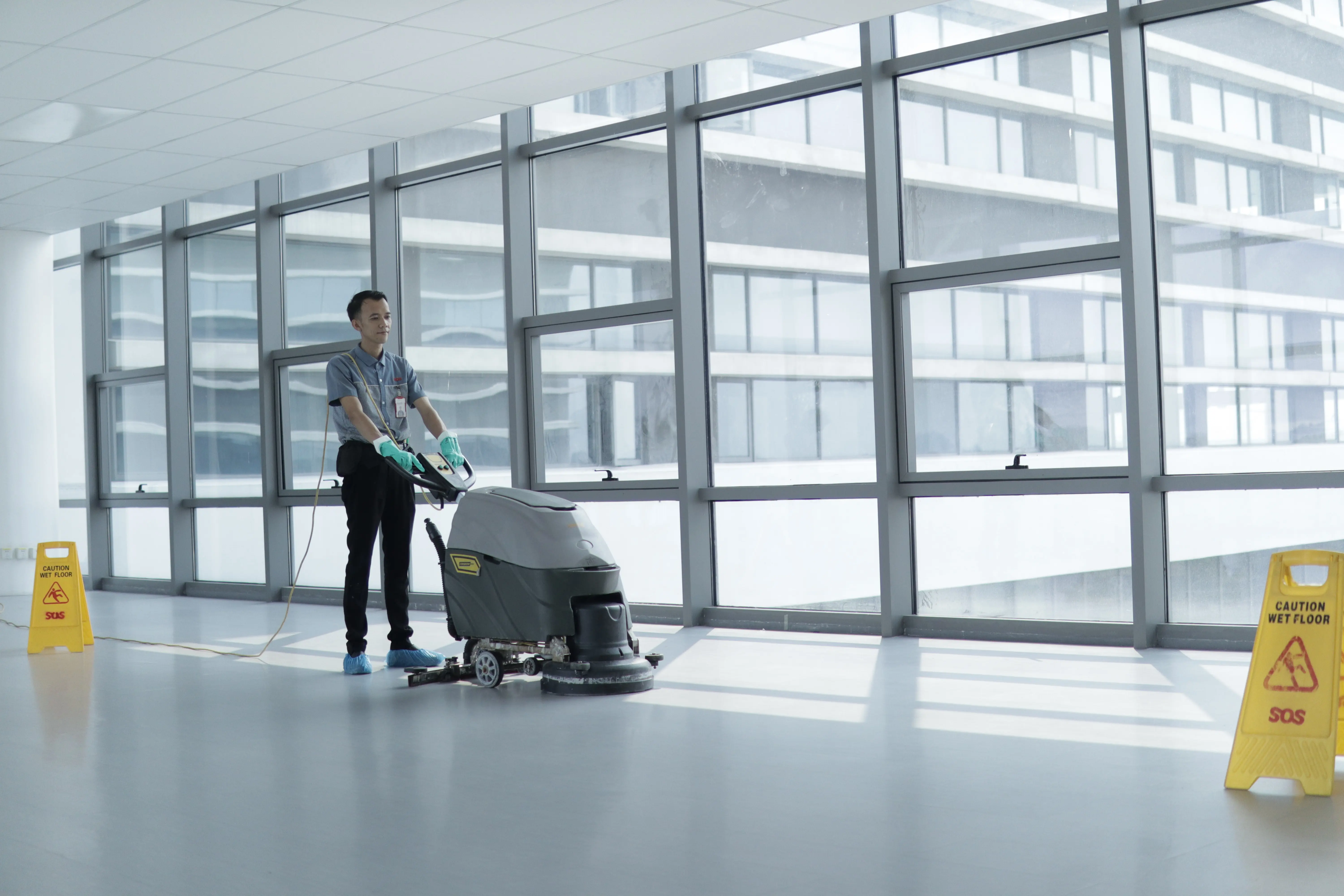
A company security policy is no longer just a supporting document—it is a crucial foundation for protecting assets, employees, and operational processes.
Without a clear and structured security system, companies become vulnerable to theft, unauthorized access, and even internal threats.
In many large cities—especially among businesses that rely on outsourcing in Jakarta—awareness of structured security procedures continues to grow. Companies now understand that proper security management is essential to minimize operational risks
Let’s take a closer look at what a company security policy includes!
How to Measure the Quality of Cleaning Service Performance?
Before conducting an evaluation, understand that cleaning service quality involves multiple aspects, from visual cleanliness to operational standards and staff discipline.
Here are the indicators commonly used by professional companies:
1. Visual Cleanliness Standard (Appearance Quality)
This indicator assesses whether the area appears clean without dust, stains, or litter. Routine inspections are conducted by supervisors to ensure every spot meets the expected visual standard. This method is suitable for public spaces such as lobbies, pantries, and corridors.
2. Timeliness and Task Completion
Quality is also measured by whether staff clean the assigned areas according to the agreed schedule.
Delays can impact office operations or public facilities used regularly by employees or visitors. By monitoring work schedules, companies can ensure tasks are completed consistently.
3. Compliance with Cleaning SOPs
Each cleaning task has standard operating procedures (SOPs), such as which cleaning agents to use or the correct order of work. Evaluations are done using checklists to monitor whether cleaning staff follow every step according to the approved standards.
4. Responsiveness to Complaints or Additional Requests
Quick response to sudden cleaning requests is an important indicator of service quality. The faster the cleaning team responds, the better the service level provided.
5. Proper Use of Cleaning Tools and Materials
Service quality is directly linked to the tools being used. Assessments include whether staff use safe, appropriate cleaning agents, mops, cloths, or machines. The choice of equipment affects the speed and final result of the cleaning process.
6. Measured Cleanliness Level (Scientific Cleanliness Testing)
Industries such as healthcare use ATP (Adenosine Triphosphate) testing or surface testing to scientifically measure cleanliness. This method ensures that an area is not only visually clean but also microbiologically safe.
Read Also: Key Differences Between Deep Cleaning and General Cleaning
Example of Cleaning Service Quality Measurement in Practice
One example can be seen in a study conducted at a hospital in Surabaya.
The hospital implemented regular cleanliness audits using checklists to measure cleaning results, staff compliance with SOPs, equipment usage, and cleanliness levels in patient rooms.
The evaluation revealed several inconsistent aspects, including:
-
Task execution
-
Cleaning results that did not meet standards in some areas
-
Lack of supervision and continuous training
These findings became the basis for the hospital to improve its overall cleaning service performance.
Improvements focused on staff training, enhanced daily supervision, and providing equipment that met medical standards.
As a result, the hospital environment became more hygienic, making patients feel safer and more comfortable, while healthcare workers could operate optimally without disruptions related to cleanliness and safety.
Read Also: Cleaning Service Training for the Highest Cleanliness Standards
Common Challenges in Maintaining Cleaning Service Quality
Despite having clear measurement methods, maintaining cleaning service quality remains a challenge for many companies. Here are the most common issues:
1. High Staff Turnover
Cleaning service positions often experience high turnover rates. Each change affects quality because new staff may not fully understand the actual site requirements. To overcome this, companies need to allocate more time for training to maintain standards.
2. Lack of Supervision and Field Control
Without proper supervision, SOPs are often not followed consistently. This results in varying cleanliness standards between shifts or staff. Daily reporting and routine inspections are crucial to keeping quality stable.
3. Limited or Outdated Equipment and Cleaning Materials
High-quality results are difficult to achieve if tools or supplies are outdated. Some companies still rely on old equipment, reducing the effectiveness of cleaning tasks. In fact, proper equipment significantly improves both speed and quality.
Read Also: 4 Differences Between Cleaning, Sanitizing, and Disinfecting
Improve Your Company’s Cleaning Quality with Professional Outsourcing Cleaning Services
After learning how to measure cleaning service quality and the challenges in maintaining consistency, you’ll understand that achieving high standards requires trained teams and structured systems.
This is where outsourcing cleaning services in Jakarta from SOS become a practical solution for companies that want to ensure consistent cleanliness every day.
With experienced staff, continuous supervision, and clear SOPs, SOS helps maintain a hygienic and professional workspace environment.
Contact SOS today to improve the cleanliness standards of your company more effectively!
More News
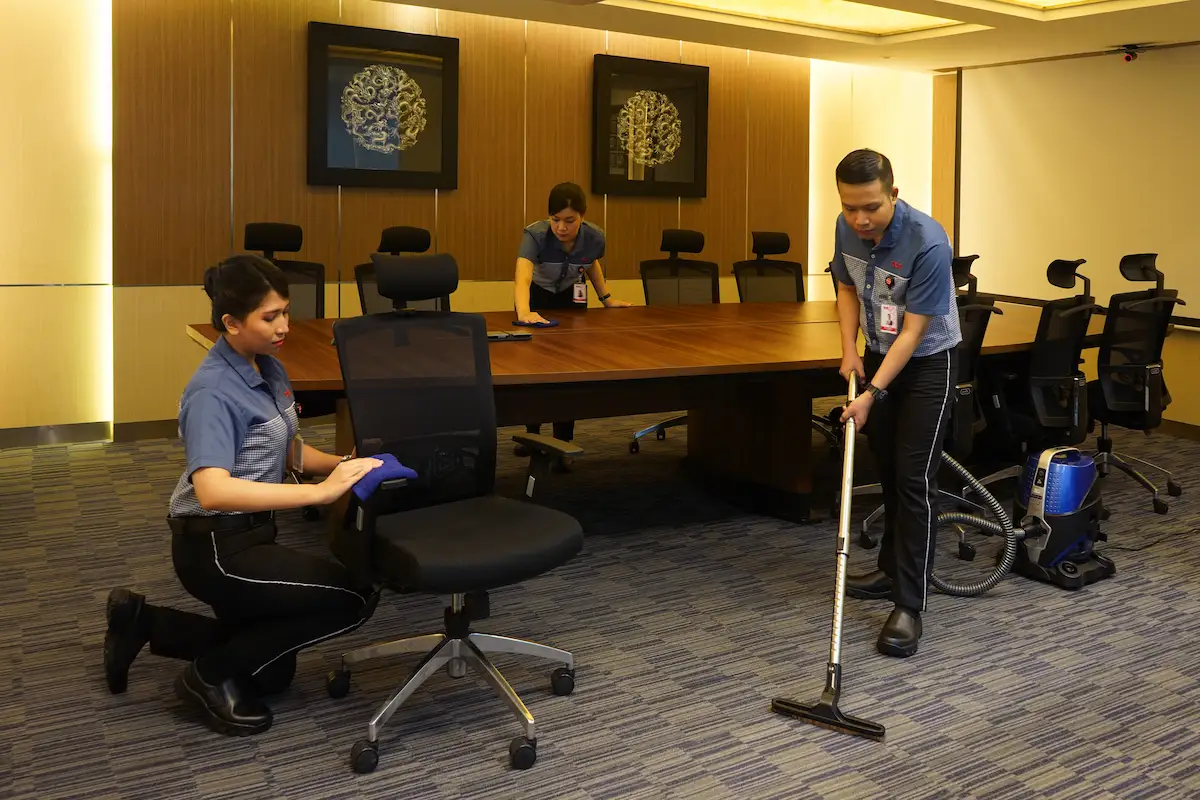
Guide to Choosing the Right Office General Cleaning Service
Looking for a trusted office general cleaning service? Discover tips on choosing the right professional office cleaning service for your company in this article!
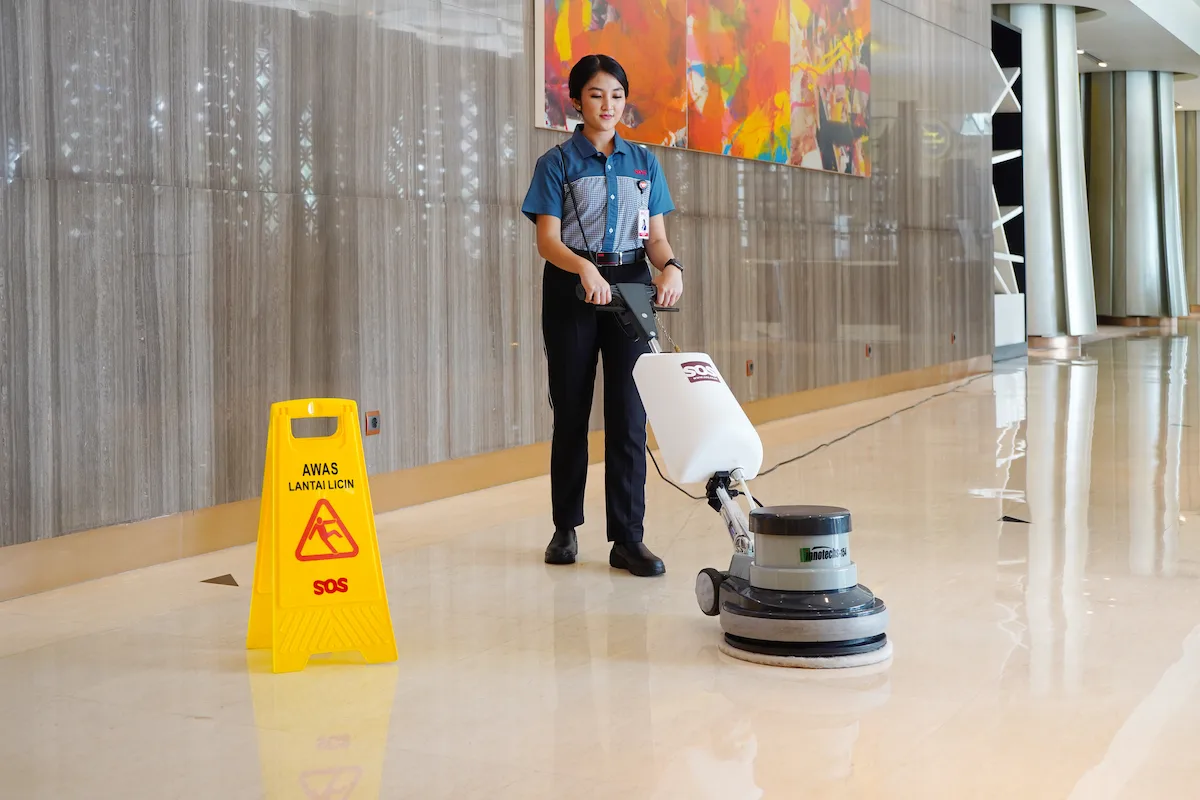
Building Maintenance Strategies to Maintain Cleanliness Standards
Professional building maintenance to maintain the cleanliness, safety, and performance of your company facilities. Discover the solution here.

Strategies to Manage Office Building Maintenance Costs Efficiently
Did you know there are smart strategies to manage office building maintenance costs? Not only can you improve efficiency, but you can also keep your office comfortable to use. Learn more here!