
Food Factory Sanitation According to ISO 22000, Must Be Fulfilled!
30 December 2025
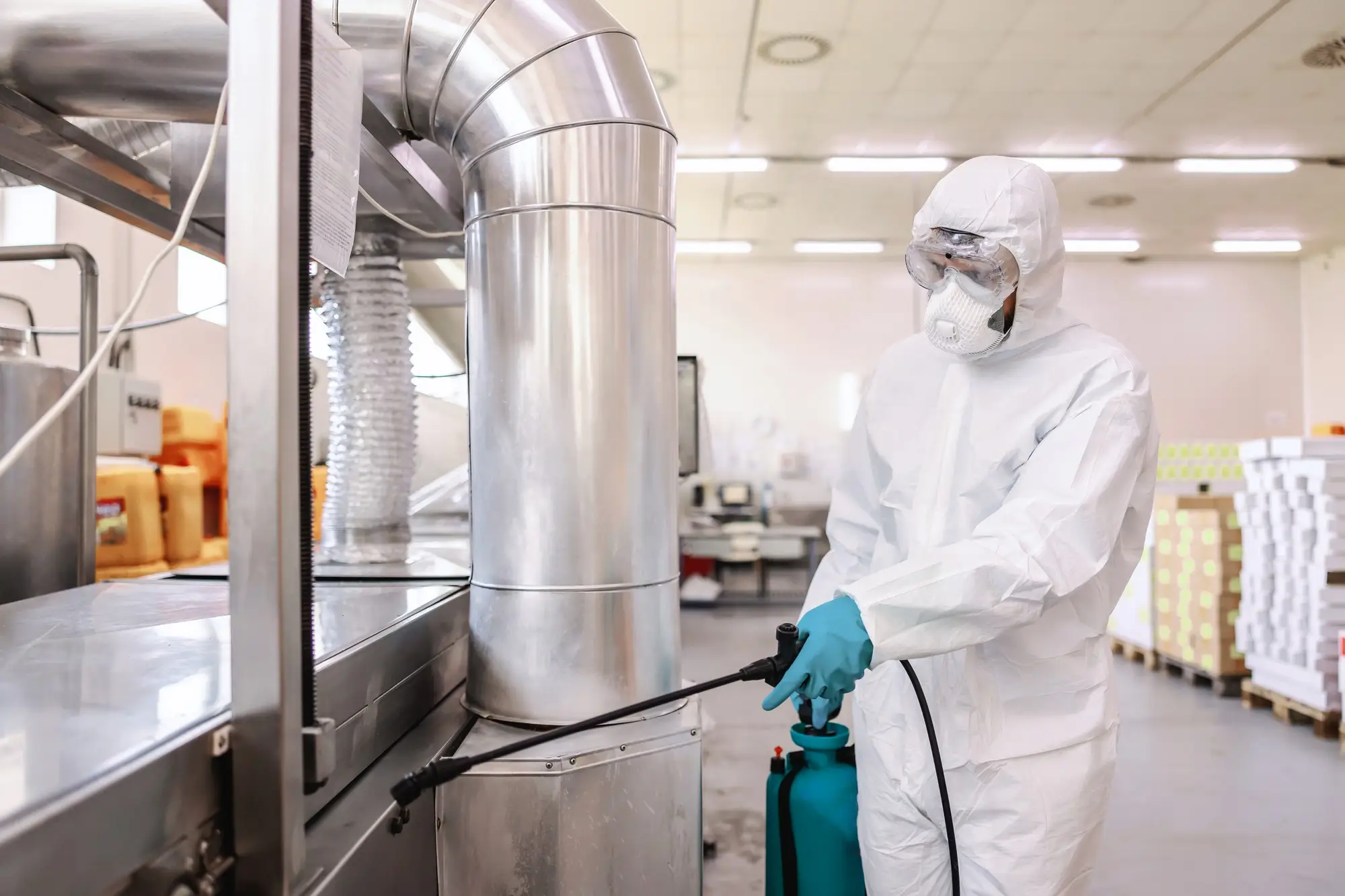
Food factory sanitation according to ISO is a fundamental pillar in maintaining food safety, product quality, and consumer trust in the food and beverage industry. Risks such as contamination, declining product quality, and regulatory sanctions can disrupt business continuity.
Therefore, implementing ISO 22000 standards is a strategic step to ensure that sanitation and hygiene practices in food factories comply with international requirements and operational needs. Let’s explore the discussion below!
Understanding ISO 22000
ISO 22000 is an international standard that regulates the Food Safety Management System (FSMS). This standard is designed to help organizations identify, control, and minimize food safety hazards throughout the entire supply chain.
ISO 22000 enables companies to integrate food safety management with other ISO standards, such as ISO 9001, ensuring a more consistent and structured management system.
Through ISO 22000, organizations gain a comprehensive framework to develop, implement, monitor, and continuously improve FSMS in accordance with overall business risk contexts. To comply with this standard, companies must meet all applicable legal and regulatory food safety requirements.
For organizations seeking a more focused, coherent, and integrated food safety system beyond minimum regulatory requirements, ISO 22000 offers significant added value.
Read Also: Hospital Hygiene Standards per Ministry of Health Rules
ISO-Based Food Factory Sanitation Components
In implementing food factory hygiene and sanitation, ISO 22000 emphasizes the importance of documented procedures that are consistently applied. One of the key elements is the implementation of standardized sanitation SOPs.
Generally, these SOPs cover the following important aspects:
-
Personal hygiene: Employees involved in production must maintain personal cleanliness, use personal protective equipment, and comply with established hygiene regulations.
-
Contamination control: Procedures are designed to prevent cross-contamination between raw materials, semi-finished products, and finished goods.
-
Cleaning and sanitation procedures: Production areas, equipment, and supporting facilities are cleaned on a scheduled basis using safe methods and materials.
-
Raw material handling: Receiving, handling, and processing raw materials are conducted in accordance with hygiene and food safety standards.
-
Food hazard control: Identification and control of biological, chemical, and physical hazards are integral parts of food factory sanitation according to ISO.
Benefits of Implementing ISO-Compliant Food Factory Sanitation?
The implementation and certification of ISO 22000 provide various strategic benefits, especially in maintaining hygiene and sanitation in food factories.
Here are some key benefits you can obtain:
1. Improved Health and Safety
ISO 22000 helps companies minimize food safety risks that may endanger health. By applying ISO-compliant food factory sanitation, companies protect consumers, employees, and all parties involved with food products.
2. Increased Customer Satisfaction
A structured FSMS enables companies to produce consistent products that meet customer expectations. As a result, customer trust in product quality and safety increases.
Read Also: 7 Most Destructive Building Pests, Beware!
3. Compliance with Regulatory Requirements
Compliance with ISO 22000 supports companies in meeting legal and regulatory food safety requirements. FSMS helps organizations understand and apply these regulations systematically.
4. Support for Multiple Management Standards
ISO 22000 aligns with various international standards, making it easier for companies to fulfill other management system requirements in an integrated manner.
5. Better Transparency
This standard enhances product traceability systems, enabling greater operational transparency and faster risk identification and tracking.
In addition, ISO 22000 improves a company’s responsiveness to food safety risks. With an effective FSMS, organizations can respond more quickly and efficiently to potential issues while reducing investigation time in the event of contamination incidents.
Mandatory SOPs in Food Factory Sanitation
To ensure ISO-compliant food factory sanitation runs optimally, companies must implement clear and measurable sanitation SOPs. Some essential SOPs include:
1. Raw Material Receiving SOP
This SOP regulates physical inspection, documentation, and quality verification of raw materials before entering the production area. Its purpose is to ensure that all incoming materials meet food safety standards and are free from contamination risks.
2. Food Storage SOP
Food storage SOPs establish procedures for storing raw materials and finished products according to type, temperature, and required environmental conditions.
These procedures help prevent cross-contamination, quality deterioration, and the growth of harmful microorganisms. Controlled storage also supports comprehensive product traceability.
3. Production Process SOP
The production process SOP regulates workflow, equipment usage, and hygiene practices during production. Each production stage must follow sanitation standards to control potential food safety hazards.
4. Cleaning and Disinfection (Sanitation) SOP
This SOP explains cleaning methods, execution frequency, and the types of cleaning agents and disinfectants used.
Standardized sanitation procedures help maintain cleanliness across production areas, equipment, and supporting facilities. Consistent implementation ensures a hygienic and safe environment for food processing activities.
Read Also: 7 Warehouse Security SOPs to Prevent Theft & Boost Productivity
5. Pest Control SOP
The pest control SOP outlines prevention, monitoring, and pest handling measures within food factory environments. This procedure aims to prevent pest infestations that may contaminate raw materials or finished products.
Consistent implementation of these SOPs strengthens food factory hygiene and sanitation systems while supporting ISO 22000 compliance.
To ensure all processes are consistently managed, companies need support from experienced Jakarta outsourcing services specializing in industrial cleaning and sanitation.
Optimize Your Food Factory Sanitation with SOS Cleaning Service Outsourcing
As a professional cleaning service outsourcing provider, SOS delivers hygiene and sanitation solutions that support ISO compliance in food factory environments.
With certified personnel, standardized work SOPs, and modern cleaning methods, SOS helps companies maintain regulatory compliance while minimizing food contamination risks.
Entrust your food factory sanitation needs to SOS. Contact SOS today to get reliable outsourcing cleaning service solutions for your business!
More News

Guide to Choosing the Right Office General Cleaning Service
Looking for a trusted office general cleaning service? Discover tips on choosing the right professional office cleaning service for your company in this article!
Building Maintenance Strategies to Maintain Cleanliness Standards
Professional building maintenance to maintain the cleanliness, safety, and performance of your company facilities. Discover the solution here.

Strategies to Manage Office Building Maintenance Costs Efficiently
Did you know there are smart strategies to manage office building maintenance costs? Not only can you improve efficiency, but you can also keep your office comfortable to use. Learn more here!