
8 Effective Strategies for Transitioning from In-House to Outsourcing
30 December 2025

Strategies for transitioning from in-house to outsourcing are increasingly being considered by companies facing business dynamics that demand efficiency, flexibility, and professional human resource management.
Have you ever felt that managing internal employees consumes too much time, cost, and management focus?
In such conditions, transitioning from an in-house system to outsourcing can be a medium- to long-term solution provided it is planned and executed in a structured and measurable manner. Let’s explore the complete strategies below!
Effective Strategies for Transitioning from In-House to Outsourcing
To ensure a smooth and successful transition, companies must implement structured strategies with a long-term perspective.
Below are several effective and relevant strategies for transitioning from in-house to outsourcing:
1. Conduct a Comprehensive Company Needs Assessment
The first and most crucial step is conducting a thorough evaluation of company needs.
Identify which job functions are most suitable to be outsourced and define the primary objectives of the transition—whether cost efficiency, productivity improvement, or stronger focus on the company’s core business.
Read Also: Differences Between Managed Service vs Outsourcing: Which Is Best for Your Company?
2. Define the Scope of Work Clearly
Clear definition of the scope of work is the foundation of successful outsourcing. Companies must establish tasks, responsibilities, performance standards, and key performance indicators in detail.
With a clear scope, the risk of miscommunication and unmet expectations can be minimized from the outset.
3. Implement a Gradual Transition Process
Effective strategies for transitioning from in-house to outsourcing should not be executed abruptly. Companies are advised to implement the transition gradually to maintain operational stability.This approach allows time for adaptation by management, internal employees, and outsourcing partners.
4. Choose a Professional Outsourcing Provider
Selecting the right partner is a critical success factor in the transition process. Ensure that the outsourcing company has a strong reputation, a structured work system, and proven experience in managing workforce needs. A professional partner helps maintain work quality and operational continuity.
5. Establish Monitoring and Reporting Systems
Effective outsourcing still requires proper oversight. Companies should ensure transparent and measurable performance reporting systems are in place.
Regular reports enable companies to evaluate outsourced workforce performance and ensure operational targets are achieved as planned.
6. Prepare Open and Transparent Internal Communication
Transitioning from an in-house system to outsourcing often raises internal concerns. Therefore, management must communicate the objectives and benefits of the transition openly to employees.
Clear communication helps maintain internal stability and reduces resistance to change.
7. Maintain Operational Standards and Work Culture
Although certain functions are outsourced, companies must ensure that operational standards and corporate values are consistently applied.
Aligning work culture between the company and outsourcing partner has a direct impact on work quality and overall performance.
8. Conduct Regular Evaluation and Strategic Adjustments
Strategies for transitioning from in-house to outsourcing are not static. Companies should conduct periodic evaluations to assess the effectiveness of the collaboration and adjust strategies according to business developments. With this approach, outsourcing can continuously deliver optimal added value.
Read Also: 7 Advantages of Back Office Outsourcing for Operational Efficiency
Differences Between In-House and Outsourcing Systems
To better understand the urgency and benefits of transitioning, companies need to recognize the fundamental differences between in-house and outsourcing models.
1. Human Resource Management
In an in-house system, all employee management processes—from recruitment to competency development—are handled internally.
In outsourcing, most of these processes are managed by the outsourcing provider, significantly reducing the company’s administrative burden.
2. Operational Cost Structure
In-house systems generally involve higher fixed costs, including salaries, benefits, training, and labor compliance expenses. Outsourcing offers a more flexible and measurable cost structure, as companies pay according to service requirements.
3. Workforce Flexibility
Outsourcing provides greater flexibility in adjusting workforce numbers based on operational needs. In contrast, in-house systems tend to be more rigid due to long-term employment commitments.
4. Control and Supervision
In in-house systems, control is managed directly by internal management. In outsourcing, control is conducted through structured reporting and joint supervision between the company and the outsourcing provider, requiring effective coordination.
5. Focus on Core Business
Companies with in-house systems often have to divide focus between supporting operations and core business development.
Outsourcing enables companies to concentrate on strategic growth without being distracted by daily operational burdens.
With thorough needs assessment, selection of a professional partner, and structured supervision systems, companies can achieve sustainable efficiency, flexibility, and productivity improvements.
Read Also: 5 Ways Outsourcing Companies Work for Business Efficiency
Optimize HR Management Through In-House to Outsourcing Transition with SOS!
Are you looking for a professional and reliable outsourcing company to support your transition strategy from in-house to outsourcing?
By partnering with SOS as a workforce service provider, your company can optimize HR management efficiently, measurably, and in accordance with operational standards.
What You’ll Gain with SOS:
-
Certified workforce tailored to your company’s operational needs
-
Direct supervision with transparent performance reporting
-
Regular training and evaluation systems to maintain employee quality
-
Cost efficiency and sustainable productivity improvement.
Let’s create a more professional, low-risk HR transition process. Contact SOS today and discover the right outsourcing solution to support your company’s growth!
More News
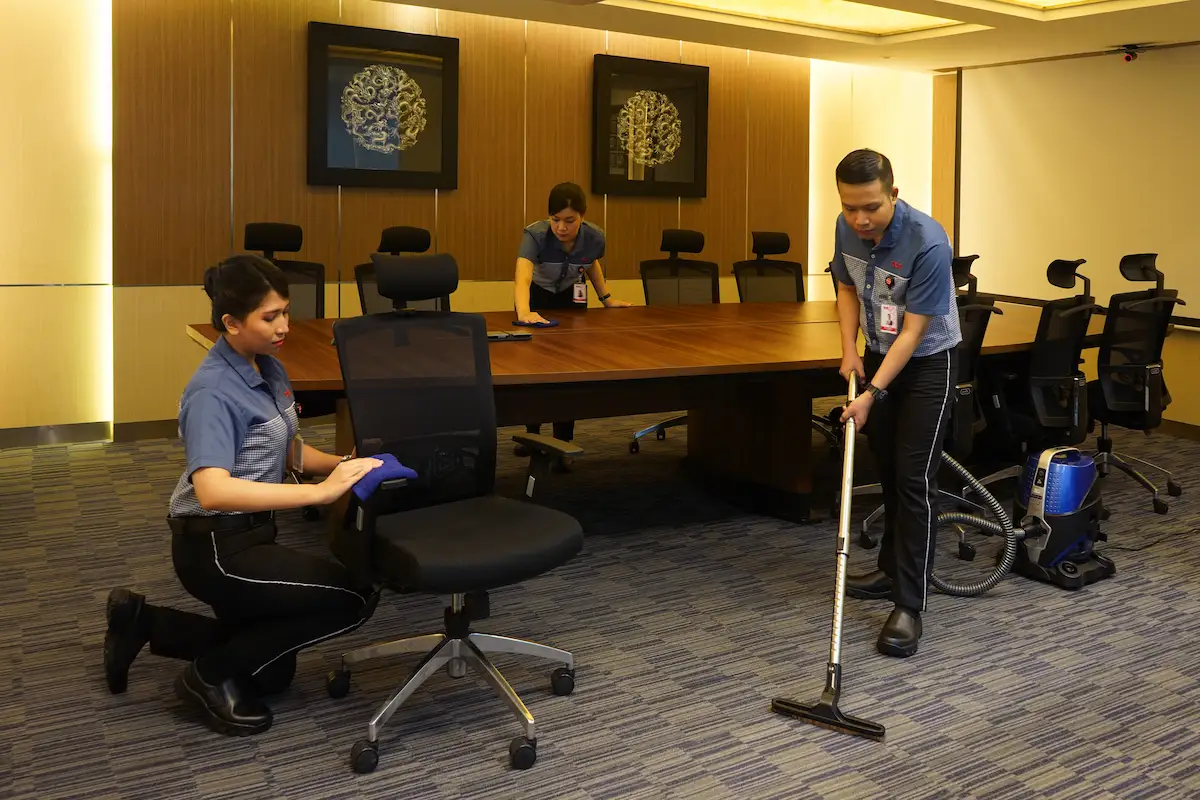
Guide to Choosing the Right Office General Cleaning Service
Looking for a trusted office general cleaning service? Discover tips on choosing the right professional office cleaning service for your company in this article!
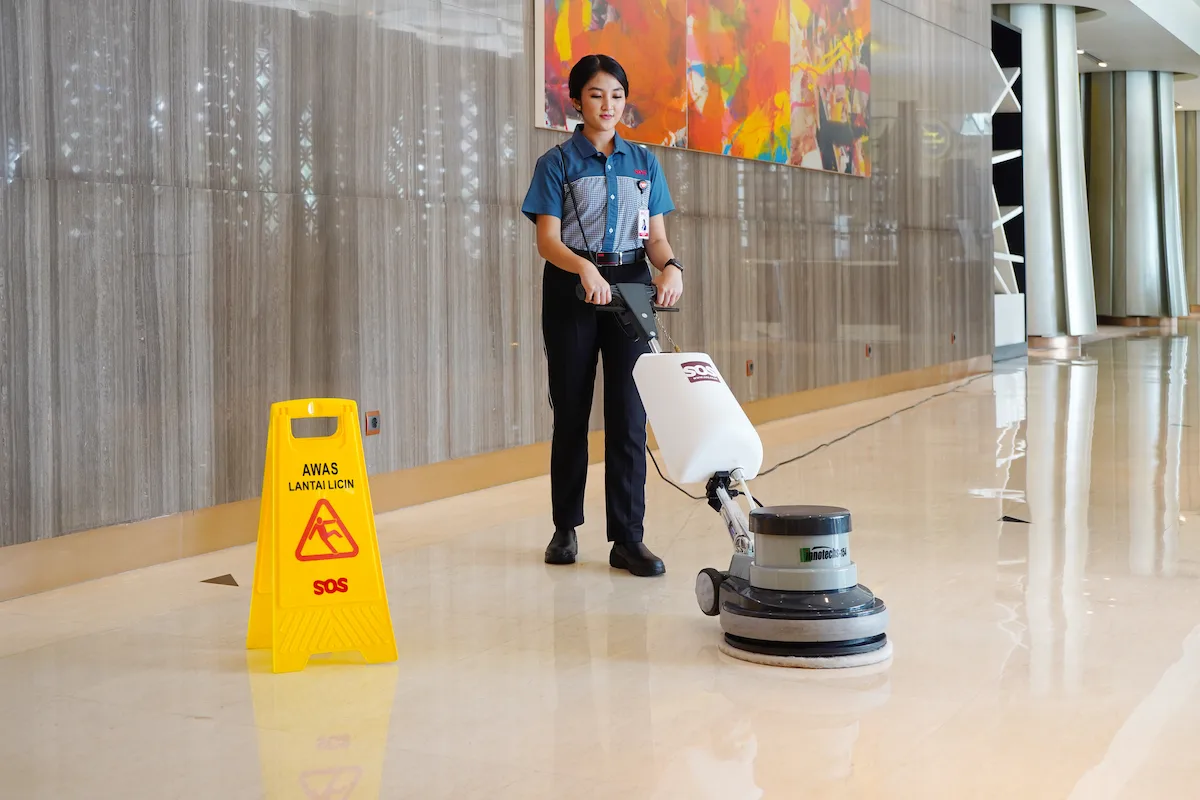
Building Maintenance Strategies to Maintain Cleanliness Standards
Professional building maintenance to maintain the cleanliness, safety, and performance of your company facilities. Discover the solution here.

Strategies to Manage Office Building Maintenance Costs Efficiently
Did you know there are smart strategies to manage office building maintenance costs? Not only can you improve efficiency, but you can also keep your office comfortable to use. Learn more here!