
Emergency Building Evacuation Procedures and Common Mistakes to Avoid
30 December 2025
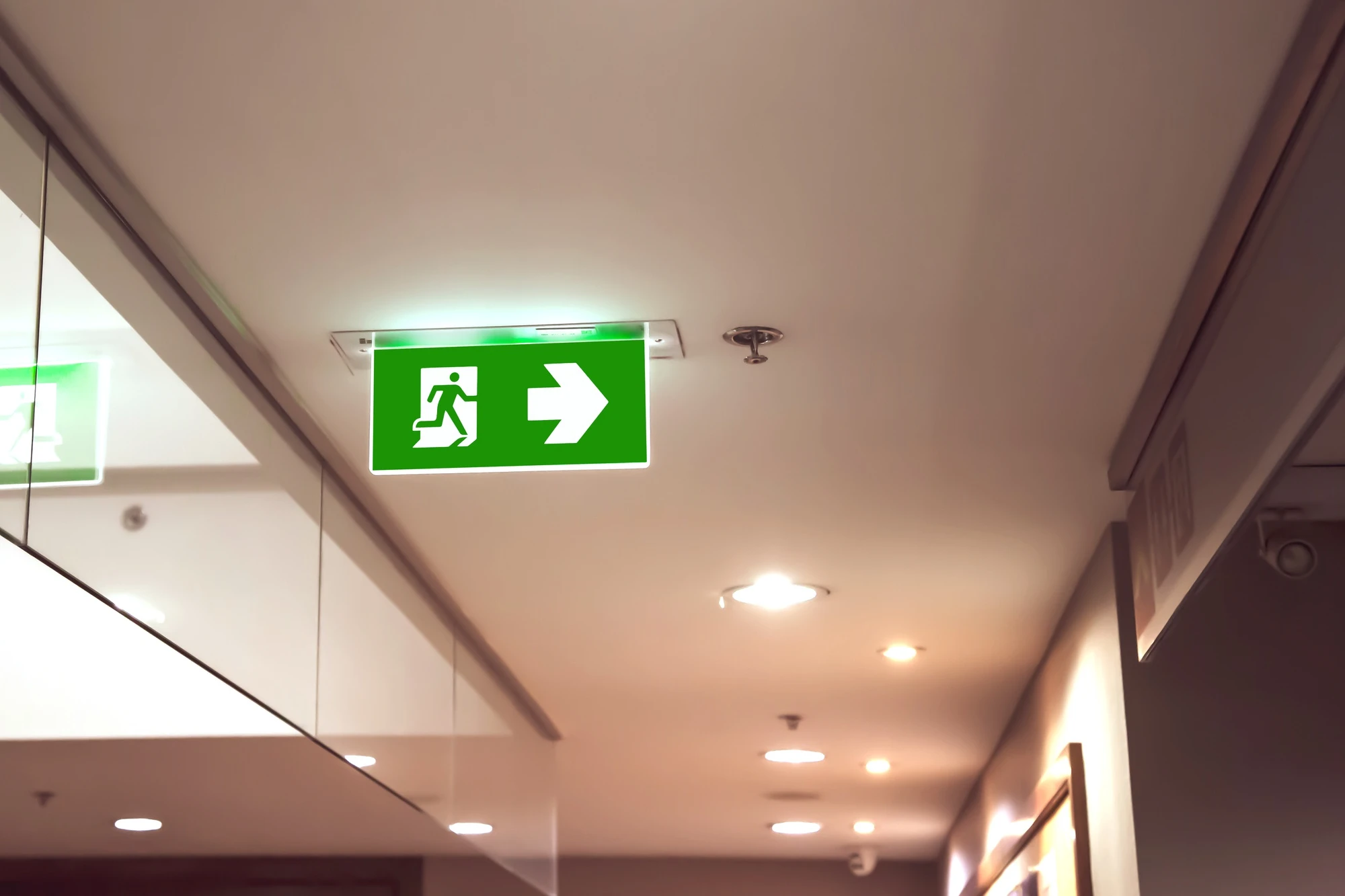
Emergency building evacuation refers to the process of relocating building occupants quickly and in an organized manner when a situation threatens safety.
This procedure is essential to minimize the risk of injury, panic, and property damage—especially in office buildings, apartments, shopping centers, and industrial facilities.
To ensure effective evacuation, every building must be supported by trained security personnel and procedures that are regularly tested.
For properties located in densely populated areas, professional service providers such as Jakarta outsourcing services can help prepare trained security and operational staff who are ready to handle emergency situations.
Read the complete information below!
What Situations Require an Emergency Building Evacuation?
Evacuation should not be carried out arbitrarily. Certain conditions are classified as emergency triggers, requiring immediate building evacuation.
Here are several situations that typically demand emergency evacuation:
1. Fire or Potential Fire Hazards
Evacuation must be conducted when there is visible fire, thick smoke, a burning smell, or activation of smoke and heat detectors.
Many safety regulations, including those from the National Fire Protection Association (NFPA), emphasize that immediate evacuation is the safest response to potential fire hazards.
The 2020 fire at the Indonesian Attorney General’s Office building demonstrated that even a few minutes of delay can significantly increase safety risks.
2. Earthquakes with Structural Impact
Evacuation is necessary when earthquakes cause noticeable structural shaking or interior elements to fall.
According to research published in Earthquake Spectra, the highest risk of injury occurs when occupants remain inside buildings without structured evacuation guidance after the main shock.
3. Hazardous Materials Threats (Gas, Chemicals, or Toxic Smoke)
When gas leaks or chemical exposure is detected, evacuation becomes mandatory due to the rapid spread of hazardous substances.
The 2022 ammonia leak incident showed that building occupants could suffer respiratory problems if evacuation is delayed.
4. Security Threats such as Violence or Terrorism
In security-related threats, officers must determine whether occupants should evacuate or shelter in place. In certain cases, such as bomb threats, evacuation to an external assembly point is considered a widely accepted international standard.
Read Also: The Importance of Building Security Standards for Your Company
7 Emergency Building Evacuation Procedures
Every building must have a systematic evacuation procedure to ensure occupants can exit safely. Below are the common stages:
1. Emergency Alarm Activation
This stage occurs when sensors detect danger or security personnel receive an incident report.
Alarm activation signals all occupants to begin evacuation. Alarm sounds must be audible on all floors without exception.
2. Guidance from Security Personnel
Security officers guide occupants through evacuation routes while ensuring no one is left behind.
They are stationed at strategic points such as lobbies, emergency staircases, and exits. This stage is critical to preventing panic that could slow evacuation.
3. Use of Evacuation Routes and Emergency Stairs
Occupants must be directed to use emergency stairs—not elevators. Emergency staircases are designed to be fire-resistant and better ventilated. In modern buildings, illuminated exit signs activate automatically during power outages.
4. Direction to a Safe Assembly Point
Assembly points are usually located in open areas such as outdoor courtyards or parking lots. Buildings must provide clear signage for assembly points. At this stage, officers conduct headcounts to ensure all occupants have exited safely.
5. Data Collection for Occupants Requiring Special Assistance
Security personnel must ensure that people with disabilities, elderly occupants, or injured individuals are evacuated safely. Some buildings are equipped with evacuation chairs to assist in safely transporting individuals down emergency stairs.
6. Building Condition Verification by the Emergency Response Team
Once occupants are assembled, the emergency response team evaluates building conditions, identifies hazard points, and determines whether re-entry is safe. This process must be conducted by trained professionals.
7. Safety Announcements and Further Instructions
Occupants may only re-enter the building after officials declare it safe. If conditions remain unsafe, further SOP-based protocols will be implemented, including coordination with authorities.
Read Also: 8 Key Responsibilities of a Corporate Security Division
5 Common Evacuation Mistakes That Must Be Avoided
Even with SOPs in place, evacuation processes are often hindered by technical issues or occupant behavior. Below are common mistakes to watch out for:
1. Blocked Evacuation Routes
Evacuation paths obstructed by equipment or stored items can slow exit and increase injury risks. It is crucial to keep routes clear and clearly marked at all times.
2. Malfunctioning or Delayed Alarm Activation
Broken or delayed alarms prevent occupants from recognizing danger promptly. Regular inspection and testing of alarm systems help reduce response delays.
3. Lack of Evacuation Training for Employees
Occupants who have never participated in evacuation drills are more likely to panic during emergencies. Routine simulations help familiarize everyone with procedures and speed up evacuation.
4. Using Elevators During Evacuation
Using elevators in emergency situations is extremely dangerous, as elevators may stop suddenly or lock automatically. Evacuation should always be conducted via emergency staircases.
5. Poor Coordination Among Security Personnel
Lack of communication among security staff can lead to chaotic evacuations. Strong coordination ensures evacuation routes are properly managed and occupants are guided in an organized manner. Therefore, every building must have an accurate SOP to prevent evacuation delays.
Read Also: Security Guard Actions During Building Fire According to SOP
Ensure Your Building’s Safety with Professional Security Services from SOS
After understanding emergency building evacuation procedures, standards, and risks, it is equally important to ensure these processes are supported by trained security personnel.
An effective evacuation system requires officers who can coordinate occupants, activate alarms, direct exit routes, and communicate swiftly with emergency response teams.
This is why using professional private security services is essential.
SOS provides trained security personnel specialized in emergency response, including building evacuation, risk mitigation, and crowd control management.
With trusted security support, you gain not only peace of mind but also assurance that your building occupants’ safety is fully protected.
Contact SOS today to consult and enhance your property’s emergency preparedness!
More News
Building Alarm System: Types, Functions, & Recommendations
A building alarm system is essential to provide protection in emergency situations such as fires, break-ins, and more. What are the types? Read here!

Considering Outsourcing Staff Services? Understand How It Works and When to Use It
Outsourcing staff helps companies manage workforce needs more flexibly and efficiently. Learn how it works, its role, and the right time to use it.

High-Rise Building Glass Cleaning Services: Are They Necessary? How to Choose the Right One?
Understand the importance of high-rise building glass cleaning, its risks, commonly used methods, and how to choose a reliable professional service. Read more here!